Kids' corner
Clean Hands Mission with Clara
ClaraHi there! Ready to learn the right way to wash your hands? We learn together, then it’s your turn to play!
- About ages 6–9 · To explore as a family
Or go straight to:
A game to learn the right moves as a family.
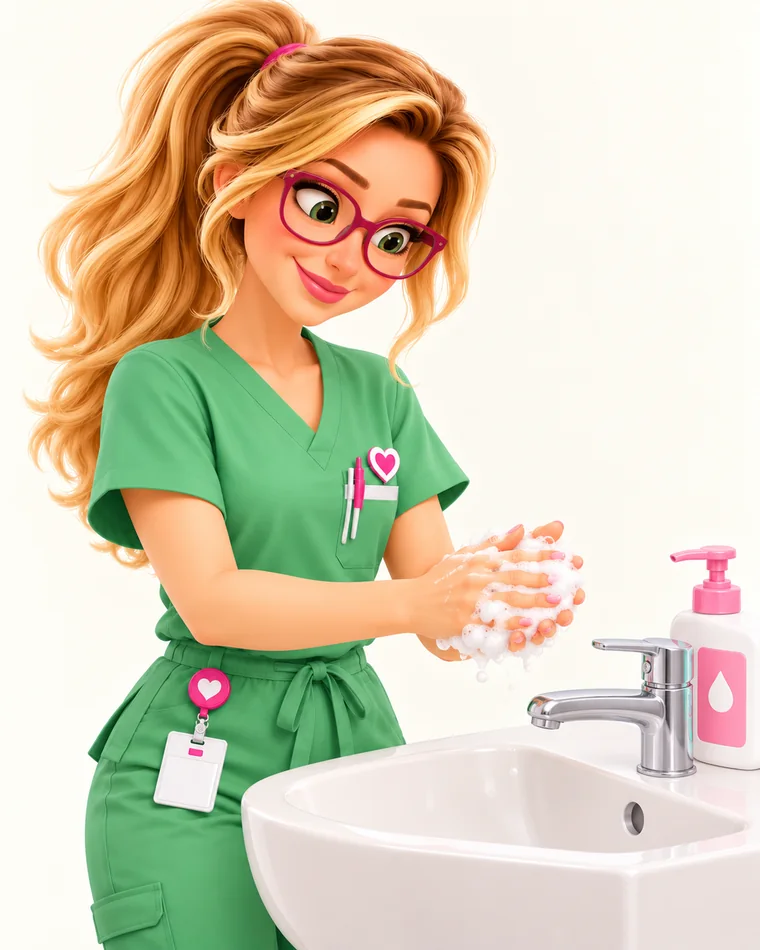
Before putting on soap, what do you need to do?
Your hands are wet. What will make bubbles?
You have soap on your hands. What do you do now, for at least 20 seconds?
Your hands are full of bubbles. How do you get rid of them?
Your hands are clean, but they’re all wet…
Last step: what about the tap?
Well done! First, we wet our hands.
Great! We put on soap away from the running water.
Nice work! We rub everywhere for at least 20 seconds.
Exactly! We rinse off all the bubbles.
Well done! Nice dry hands.
There you go! You found all the steps.
0 steps of 6
{n} step of 6
{n} steps of 6
Step {n}:
Not that one yet.
Start
Pause
Resume
Rub:
seconds
Part 1 of 3
Part 2 of 3
Part 3 of 3
Part 1 of 3
Why wash your hands?
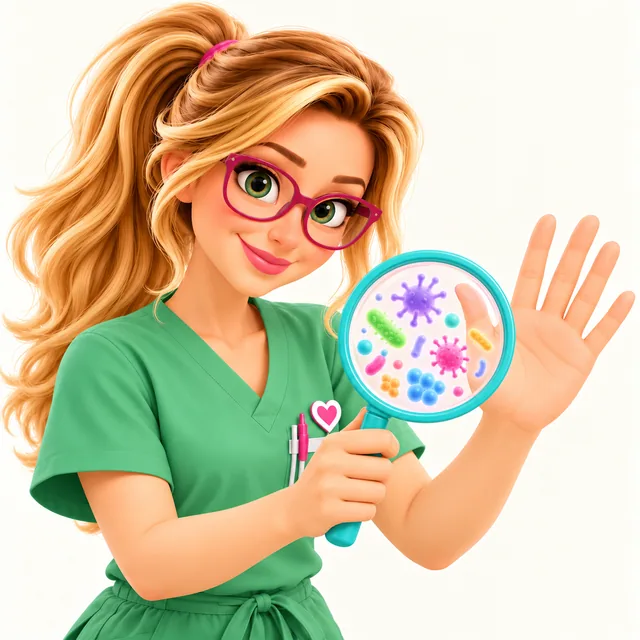

Our hands touch lots of things every day. Sometimes they pick up germs, so tiny that we can’t see them.
Most germs are not dangerous. But some can make us sick, like when we have the flu or a tummy ache.
Washing your hands with soap and water removes a lot of germs. It helps you not catch them… and not pass them on to others!
When should you wash your hands?
Here are four important moments:
 Before eating
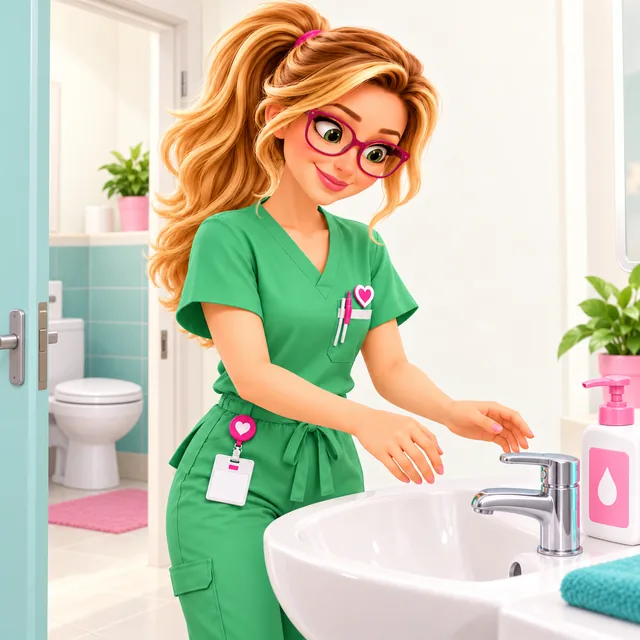 After using the toilet
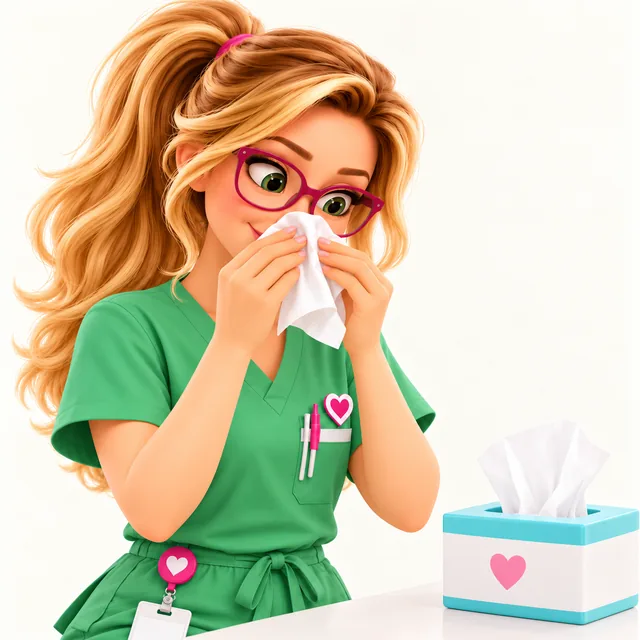 After blowing your nose
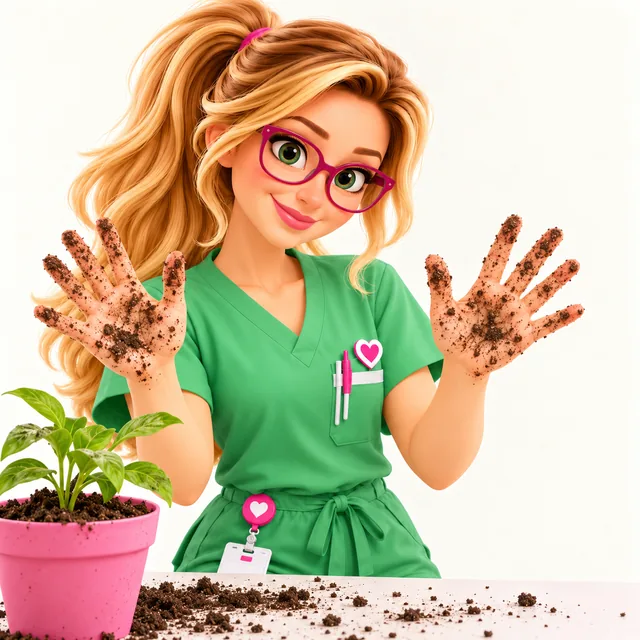 When your hands are visibly dirty
There are other important moments too. Grown-ups can help you recognize them.
How do you wash your hands?
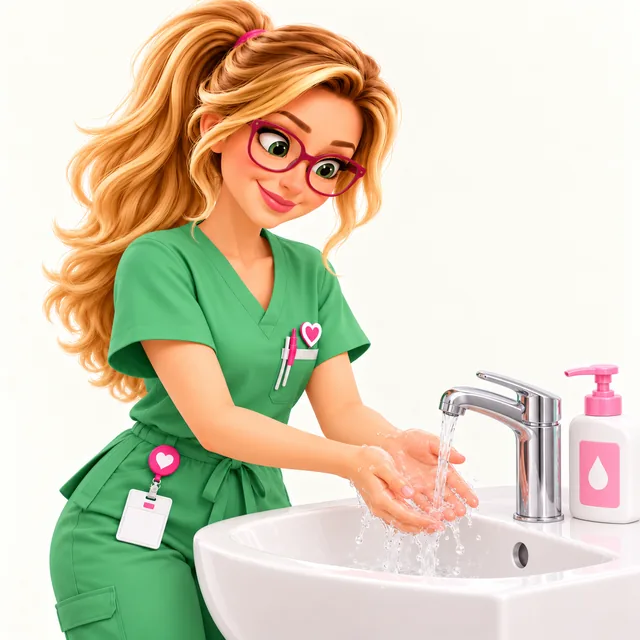
Step 1 of 6
I wet my hands.
I put my hands under the running water.
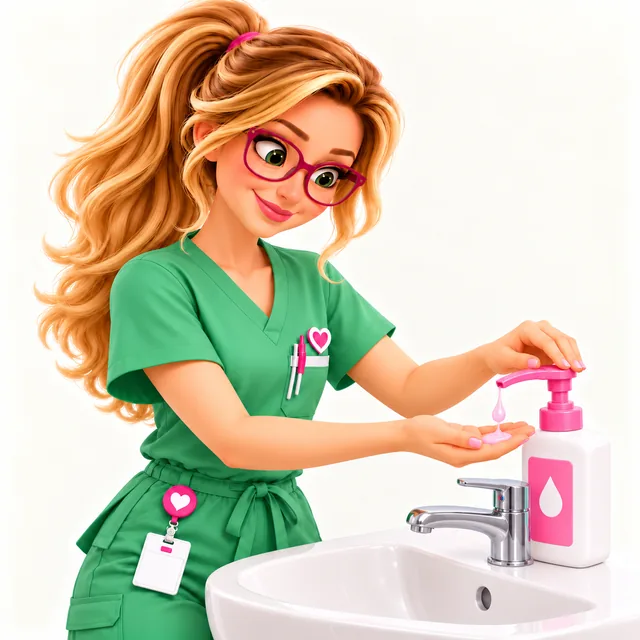
Step 2 of 6
I put on soap.
I take my hands out of the water to put on the soap.
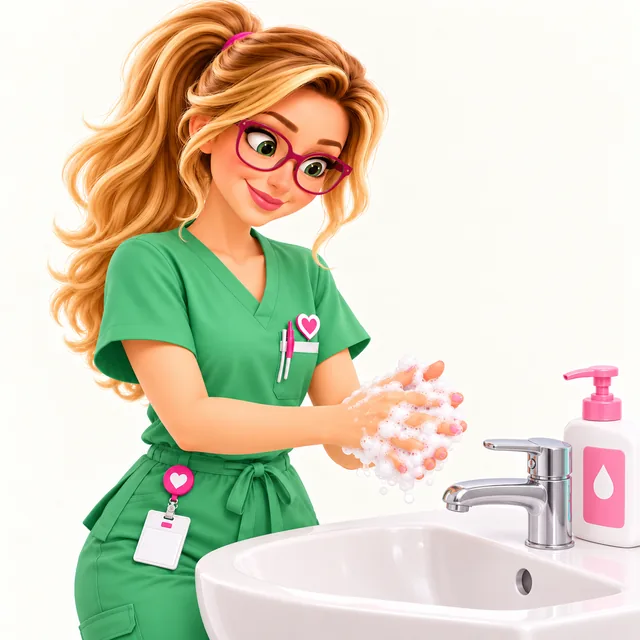
Step 3 of 6
I rub for at least 20 seconds.
I rub everywhere: palms, backs of the hands, between the fingers, thumbs and under the nails. No special order needed: what matters is rubbing everything!
- Palms
- Backs of the hands
- Between the fingers
- Thumbs
- Under the nails
The 20 seconds are the time spent rubbing with soap.
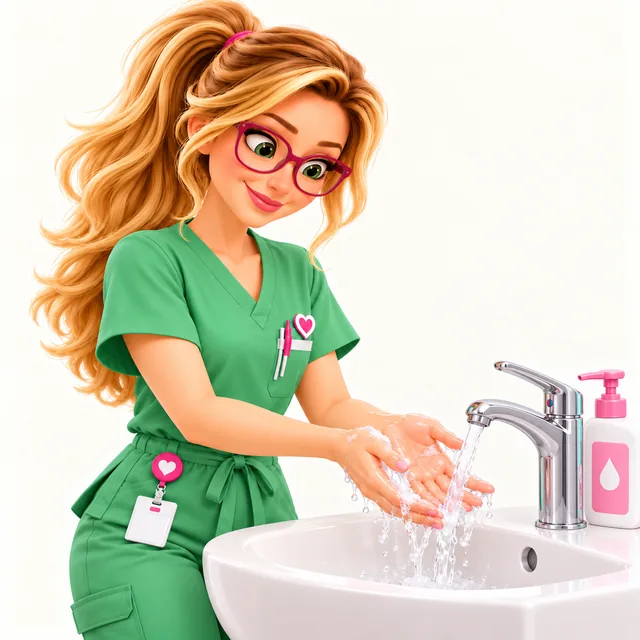
Step 4 of 6
I rinse well.
I rinse under the water until all the soap is gone.
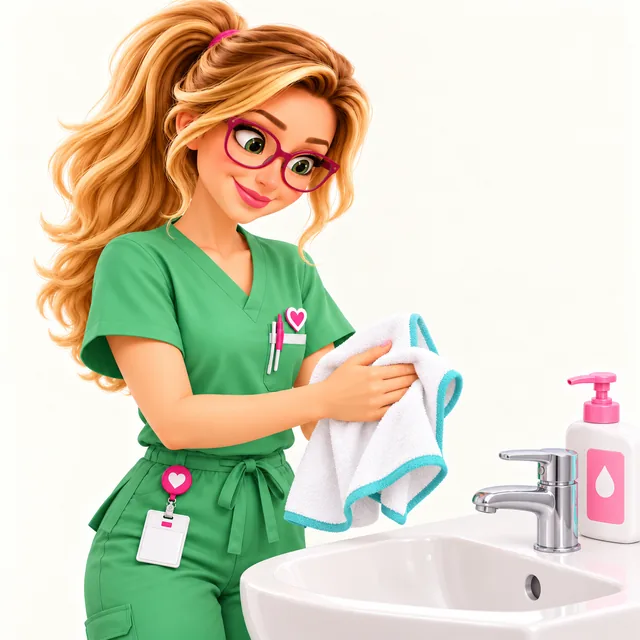
Step 5 of 6
I dry with a clean towel.
A clean cloth towel or a paper towel both work.
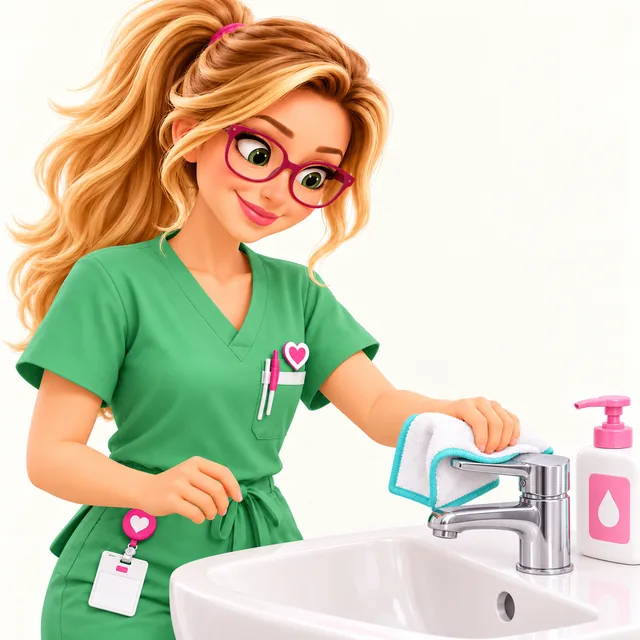
Step 6 of 6
I turn off the tap with the towel, if needed.
If the tap turns off by hand, I use the towel. An automatic tap turns off by itself!
Put the steps back in order
Oops! The steps are all mixed up. Choose the one that comes first, then keep going!
0 steps of 6
Steps found
- Step 1: still to find
- Step 2: still to find
- Step 3: still to find
- Step 4: still to find
- Step 5: still to find
- Step 6: still to find


Mixed-up cards
Clean Hands Mission accomplished!

Well done! You found all the handwashing steps!
Finding the steps in a game is a great start. What matters most is really washing your hands, at the right moments!
Want to practise rubbing for 20 seconds?
Practise rubbing
This is the rubbing time. Afterwards, remember to rinse and dry your hands!
20seconds
- Palms
- Backs of the hands
- Between the fingers
- Thumbs
- Under the nails
20 seconds! Now rinse and dry your hands.
This guide only counts the time: it does not check the handwashing.
Clara’s quiz: when and why?
Six little questions to check what you learned. You can try again as many times as you like!
Question 1 of 6
Why wash your hands with soap and water?
Try again, let's find out together!
Exactly! Soap and water remove a lot of germs. It helps you not get sick and not pass germs on to others.
Question 2 of 6
Can we see the germs on our hands?
Try again, let's find out together!
Well done! Germs are so tiny that we can’t see them. Hands that look clean can still have some.
Question 3 of 6
You are about to eat your snack. What do you do first?
Try again, let's find out together!
Great! Before eating, we wash our hands.
Question 4 of 6
You come out of the bathroom. What do you do?
Try again, let's find out together!
That’s right! After using the toilet, we always wash our hands.
Question 5 of 6
You just blew your nose. What do you do next?
Try again, let's find out together!
Nice work! After blowing your nose, we wash our hands.
Question 6 of 6
Your hands are covered in dirt. What do you do?
Try again, let's find out together!
Exactly! When hands are visibly dirty, we wash them with soap and water.
Clara’s tips for families
Why wash your hands
Hands can carry germs. Washing them with soap and water removes many of them and helps reduce their spread, at home and at school. Ordinary soap is enough.
Four moments to remember
- Before eating
- After using the toilet
- After blowing your nose
- When your hands are visibly dirty
Other moments matter too, for example after coughing or sneezing, or before preparing food.
The six steps
- I wet my hands. I put my hands under the running water.
- I put on soap. I take my hands out of the water to put on the soap.
- I rub for at least 20 seconds. I rub everywhere: palms, backs of the hands, between the fingers, thumbs and under the nails. No special order needed: what matters is rubbing everything!
- I rinse well. I rinse under the water until all the soap is gone.
- I dry with a clean towel. A clean cloth towel or a paper towel both work.
- I turn off the tap with the towel, if needed. If the tap turns off by hand, I use the towel. An automatic tap turns off by itself!
About the 20 seconds
The minimum 20 seconds is for rubbing with soap, not for the whole wash. What matters is rubbing every surface of the hands, in any order.
For parents
Lead by example and wash your hands with your child at first. Help them reach the sink and the soap, remind them of the right moments and praise their efforts: repetition is what builds the habit.
Sources
- Public Health Agency of Canada. Clean your hands to help reduce the spread of infectious diseases. Page modified on June 3, 2025. canada.ca
- Gouvernement du Québec. Hygiène des mains (in French). Last updated: April 22, 2024. quebec.ca
Sources checked: October 19, 2026.
An educational game for children and their parents. It does not replace advice from a health professional. No answers are saved. Page published on October 19, 2026.